X-Ray Equipment List: How to Choose the X-Ray Equipment for Your Facility
Bringing a new or refurbished X-ray system into your imaging facility can feel overwhelming, especially if this is your first major equipment purchase. With multiple system types, installation requirements, and budget considerations, it is easy to feel unsure where to start.
In this guide, we will walk through key considerations to help you choose the right system for your needs. We will also provide a practical x-ray equipment list to help you evaluate options based on clinical use, patient volume, and facility layout.
What Are the 3 Types of X-Ray Machines?
When building your x-ray equipment list, most facilities start by evaluating three primary system types:
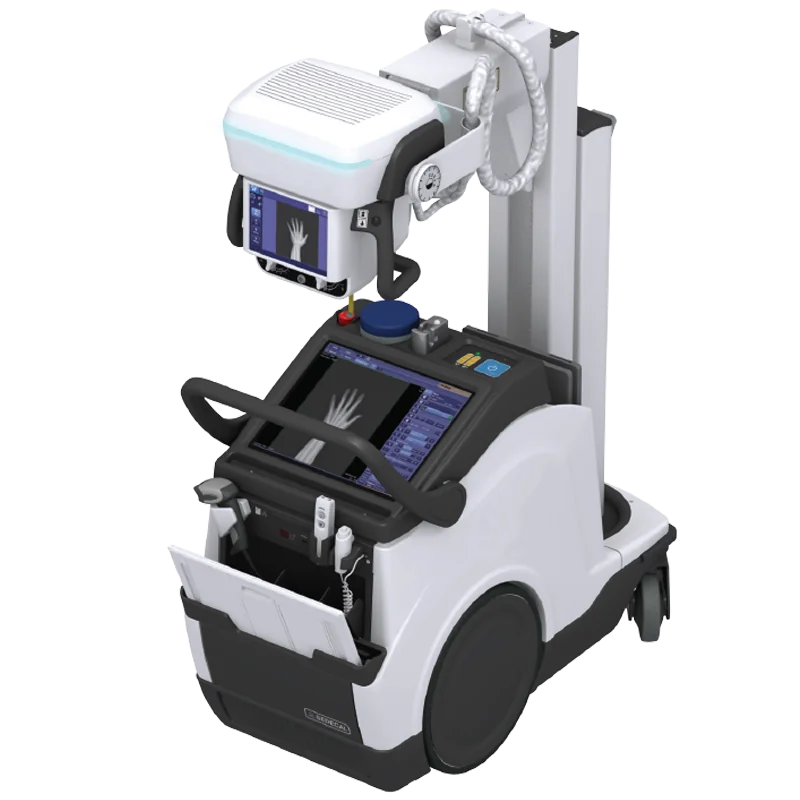
1. Portable X-Ray Systems
Portable X-ray systems are mobile units that can be moved between rooms and departments. These systems are commonly used for bedside imaging and light-duty studies.
Best for:
Intensive Care Units
LTACH/SNFs
Physician offices
Urgent care clinics
Family practice settings
Backup imaging in hospitals
Portable systems can be easier to deploy and versatile, making them a potential entry point for facilities starting an imaging program.
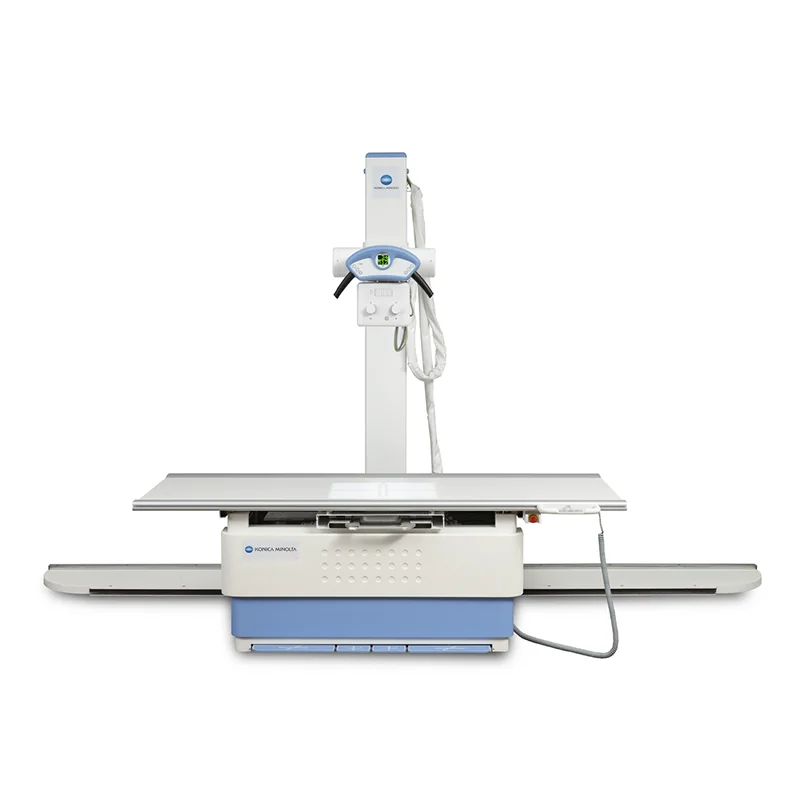
2. Floor-Mounted Radiography Rooms
Floor-mounted radiography systems are fixed installations that provide greater power, flexibility, and imaging capability than portable units.
Key advantages:
More powerful generators for larger patients and cross-table studies
Flexible table and tube movement for a wider range of exams
Higher throughput compared to portable units
These systems are often included on an x-ray equipment list for outpatient imaging centers, orthopedic clinics, and growing hospitals.
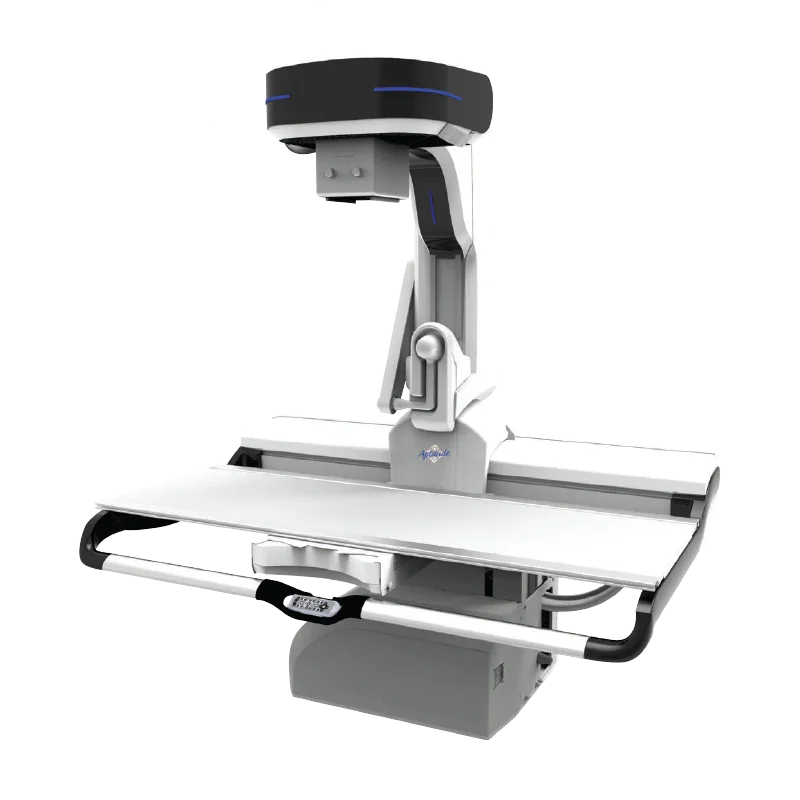
3. Ceiling-Mounted Radiography Rooms
Ceiling-mounted systems suspend the tube and collimator on overhead rails, offering maximum flexibility and positioning capability.
Common use cases:
Bariatric imaging
High-volume hospitals and trauma centers
Standing and weight-bearing studies
Ceiling-mounted systems are typically the most versatile and highest-cost option, but they offer the broadest clinical capabilities.
Which X-Ray System Is Best for Your Facility?
There is no one-size-fits-all solution. The best system depends on patient volume, specialty, budget, and space.
Portable X-Ray
Portable systems are ideal for low-volume facilities, shared equipment between locations, or as supplemental imaging in larger settings. Some vendors offer rental options, which can help facilities validate demand before purchasing.
Floor-Mounted Radiography Room
Floor-mounted systems are a strong choice for facilities with predictable imaging volume and a broader exam mix. While installation costs are higher, these systems support more procedures and higher throughput.
Ceiling-Mounted Radiography Room
Ceiling-mounted systems are designed for high-volume imaging environments that require maximum flexibility. These systems support nearly any exam type and patient size, making them common in large hospitals and orthopedic centers.
What Questions Should You Ask When Choosing an X-Ray Machine?
Before finalizing your x-ray equipment list, consider these questions:
What are our clinical imaging needs?
What is our expected patient volume and growth?
Which specialties will use the system?
Will x-ray imaging be a sustainable revenue source?
Will procedures be basic or advanced?
What is our budget for equipment, installation, and service?
While price is important, clinical requirements should guide your decision. The right system can improve patient care, workflow efficiency, and long-term financial performance.
A Basic X-Ray Equipment List for Imaging Facilities
Here is a practical x-ray equipment list to help guide your evaluation:
Core X-Ray System Components
X-ray generator
X-ray tube and collimator
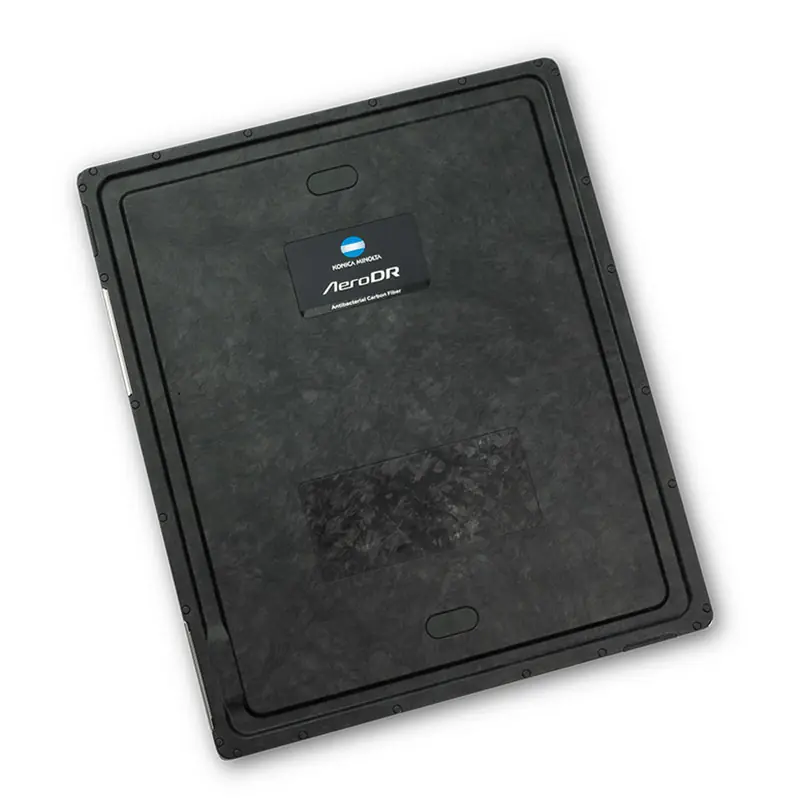
Digital detector panel (DR)
Patient table or positioning system
Operator console and workstation
PACS or image management software
Room and Installation Considerations
Shielding and room construction
Power and HVAC requirements
Control room setup
Workflow layout and patient access
Optional and Value-Add Items
Mobile or backup imaging units
Automated positioning systems
Bariatric-capable tables
Advanced imaging software tools
Service contracts and preventive maintenance plans
Need Help Choosing the Right X-Ray Equipment?
Choosing the right imaging system is a major decision that affects patient care, workflow, and revenue. If you want help evaluating options or building a customized x-ray equipment list for your facility, our team is here to help.
Reach out to speak with an imaging expert and explore new or refurbished x-ray system options that fit your clinical and budget needs.
Interested in some of our solutions?
X-ray Systems
Explore our selection of cutting-edge X-Ray systems from leading manufacturers, offering precision and reliability to meet your imaging needs.
Browse our range of portable X-ray solutions from top manufacturers, delivering high-quality imaging, efficiency, and reliability for dynamic healthcare environments.
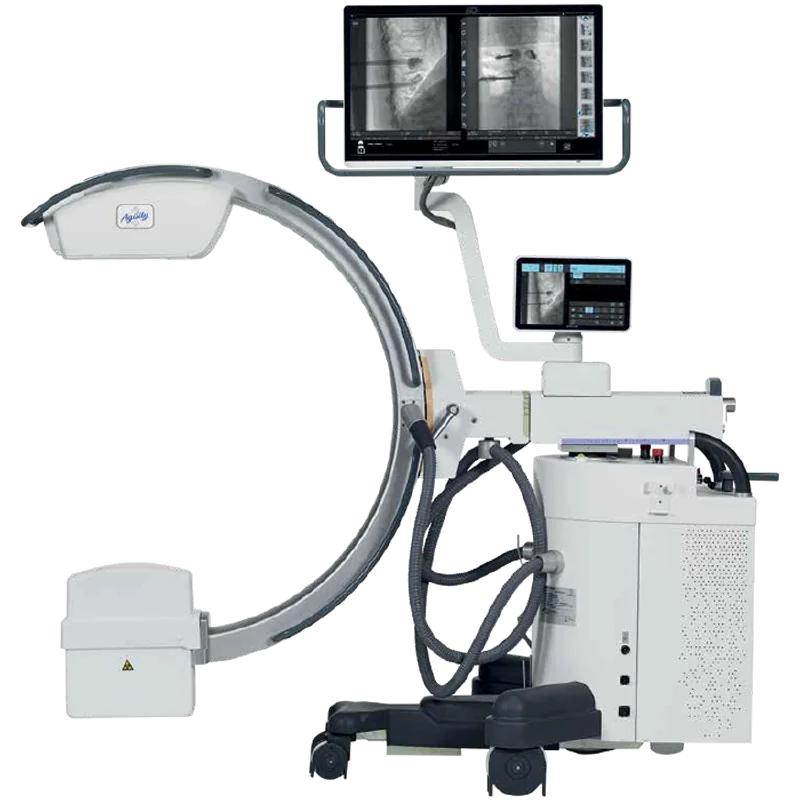
We offer reliable, high-performance C-Arms from leading manufacturers, providing precision imaging and versatility for surgical and diagnostic settings.
Enhance your imaging setup with advanced DR panels from leading manufacturers, delivering superior image quality, faster workflows, and seamless X-ray system integration.
BMI offers far more than what’s listed here, providing comprehensive imaging solutions across MRI, CT, Women’s Health, Mobile Imaging, PET/CT, Radiography, R/F, Mobile X-ray, DR Panels, Interventional Radiography & Cardiology, C-Arm, Ultrasound, and specialized systems for Veterinary, Chiropractic, and Podiatry. We also deliver PACS/RIS, data analytics, remote monitoring, and a full range of X-ray accessories—ensuring complete support for your imaging needs.