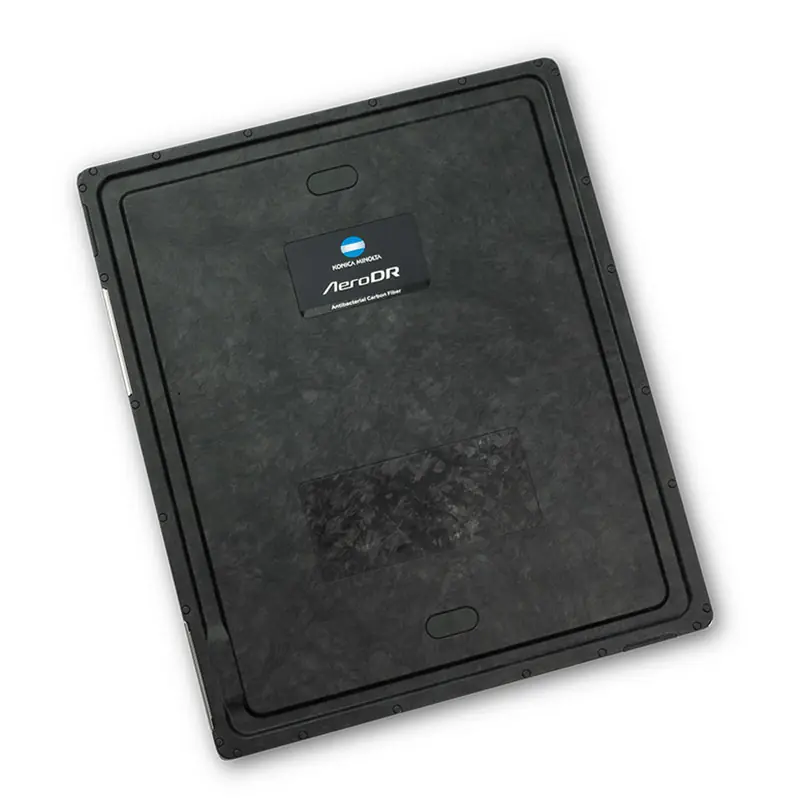
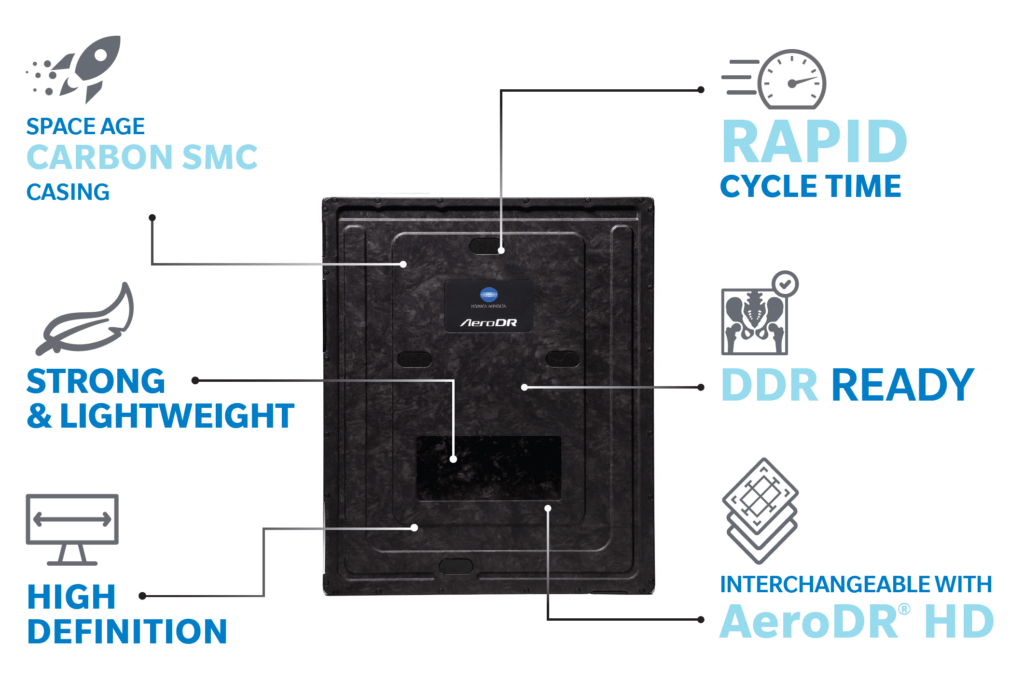
Experience unmatched durability and performance with our advanced DR Panel. Designed with space-age carbon SMC material and antibacterial technology, this lightweight monocoque casing supports up to 881 lbs. and meets MIL-STD 810G and IPX6 standards. Perfect for Radiology Technologists and Medical Directors.
Our innovative carbon Sheet Molding Compound (SMC) material is not only lightweight and ergonomic but also infused with advanced antibacterial technology for enhanced safety. Designed with a monocoque casing, it can support up to 881 lbs. (330 lbs. point load) and meets rigorous MIL-STD 810G drop resistance and IPX6 liquid resistance standards.
Key Benefits:
Clinical Confidence: Ensures reliable performance in demanding environments.
Enhanced Productivity: Optimized design for maximum efficiency.
Built to Last: Robust construction guarantees durability.
Get ready to elevate your performance with a product you can trust.
Crystal-Clear Radiology for Your Peace of Mind
The AeroDR® Carbon is our most advanced digital detector, seamlessly interchangeable with the AeroDR HD, offering exceptional image quality, durability, and reliability. Its CSI scintillator boasts a 100-micron resolution and a 72% DQE (@0 cycle/mm)[1], ensuring outstanding image clarity. With advanced electronics, it guarantees rapid cycle times, provides up to 4 hours of use from just a 13-minute charge[2], and includes features like AED exposure, in-panel storage, auto roaming, and built-in DDR compatibility. This makes the AeroDR Carbon a long-lasting investment for your imaging needs.
Crafted from space-age carbon Sheet Molding Compound (SMC) material, the AeroDR Carbon is infused with antibacterial technology. Its monocoque casing offers a lightweight, ergonomic design that can support up to 881 lbs. (330 lbs. point load). Additionally, it has been rigorously tested to meet MIL-STD 810G standards for drop resistance and IPX6 standards for liquid resistance.
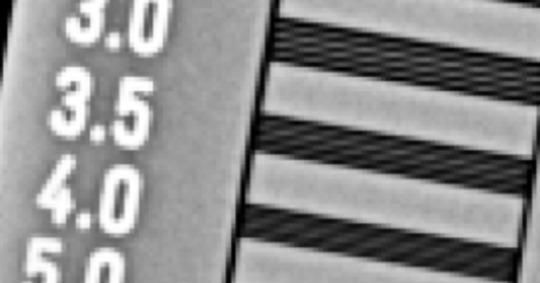
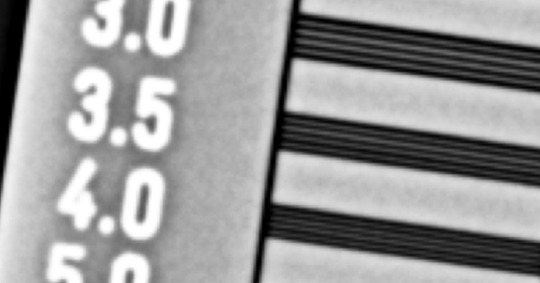
Standard Definition 175µ
High Definition 100µ
Introducing the first detector capable of switching between High Resolution (100µ) and High Dynamic Range (200µ).
High Definition Imaging High Definition imaging utilizes 100µ to provide detailed views of small structures. Our Realism Image Processing technology enhances sharpness and contrast while preserving the natural texture of structures such as bone tuberculae, even under magnification. This high-definition technology is particularly recommended for extremities, shoulders, and other areas where magnification is vital for improving diagnostic accuracy.
High Dynamic Range Imaging High Dynamic Range (HDR) imaging aggregates data from four pixels to offer an expanded range of grays between pure black and pure white pixels. This results in a smoother image, enabling you to distinguish subtle differences in soft tissues.
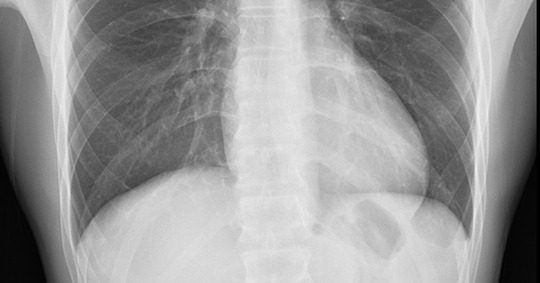
Standard Resolution
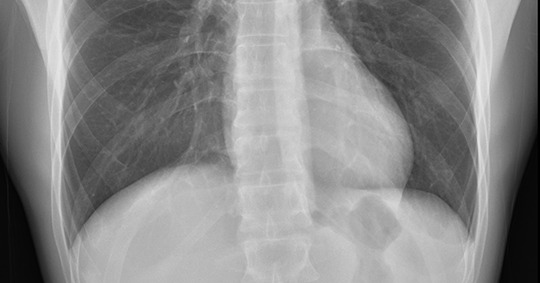
High Dynamic Range
Enhance your X-ray images with high dynamic range technology. Visualize the depth and definition in complex bone and soft tissue structures, including the abdomen, chest, spine, and hip, for more detailed insights.