
CT scanners are a widely used imaging modality, and there are many different types of CT scanners available today. These systems vary by slice count, clinical capabilities, room requirements, and overall infrastructure needs.
This guide walks through the key factors that help imaging providers choose the right CT system for their facility.
At Brown’s Medical Imaging, we support both new and fully reconditioned CT systems from trusted manufacturers.
Fujifilm CT systems offer modern technology, strong workflow tools, and efficient imaging capabilities for hospitals and imaging centers looking for new equipment.
GE and Siemens CT systems are widely installed worldwide and remain highly sought after on the secondary market due to their reliability, performance, and long-term serviceability.
Slice count is one of the most important factors when comparing different types of CT scanners. It directly affects scan speed, image quality, and advanced imaging capabilities.
Common slice configurations include:
Higher slice counts improve throughput and enable advanced imaging but require more infrastructure.
When evaluating the different types of CT scanners, total project cost depends on technical and facility-specific factors. The most significant cost drivers include:
Higher slice counts and advanced clinical capabilities require more sophisticated hardware and infrastructure.
CT rooms must meet regulatory shielding requirements. Larger scanners and advanced systems require more physical space and structural preparation.
CT systems require dedicated power and cooling. Air-cooled systems typically require less infrastructure, while water-cooled systems may require additional mechanical systems.
New systems, fully reconditioned systems, and used systems all have different capital and lifecycle considerations.
The X-ray tube is a primary wear component and a key factor in long-term ownership planning.
Injectors, workstations, warranties, PACS integration, and installation services all influence total project investment.
Cooling systems impact installation complexity and room requirements.
Air-cooled systems:
Water-cooled systems:
Common in high-volume environments
A dedicated workstation allows clinicians to process images without slowing patient throughput. Facilities that send images to external PACS interpretation services may not require an onsite workstation.
At Brown’s Medical Imaging, we offer Fully Reconditioned CT Scanners as a premium alternative to generic refurbished systems. With standards enforced by ISO and the FDA, our highly-regulated reconditioning process includes:
This approach provides predictable performance and reduces risk compared to uncertified refurbished systems.
Used systems are sold in as-is condition with varying levels of testing. These systems can be cost-effective but require careful evaluation.
New systems are factory-built with full OEM support and represent the highest upfront investment.
When evaluating the different types of CT scanners, consider:
Choosing the right CT system requires balancing clinical needs, facility constraints, and long-term operational strategy.
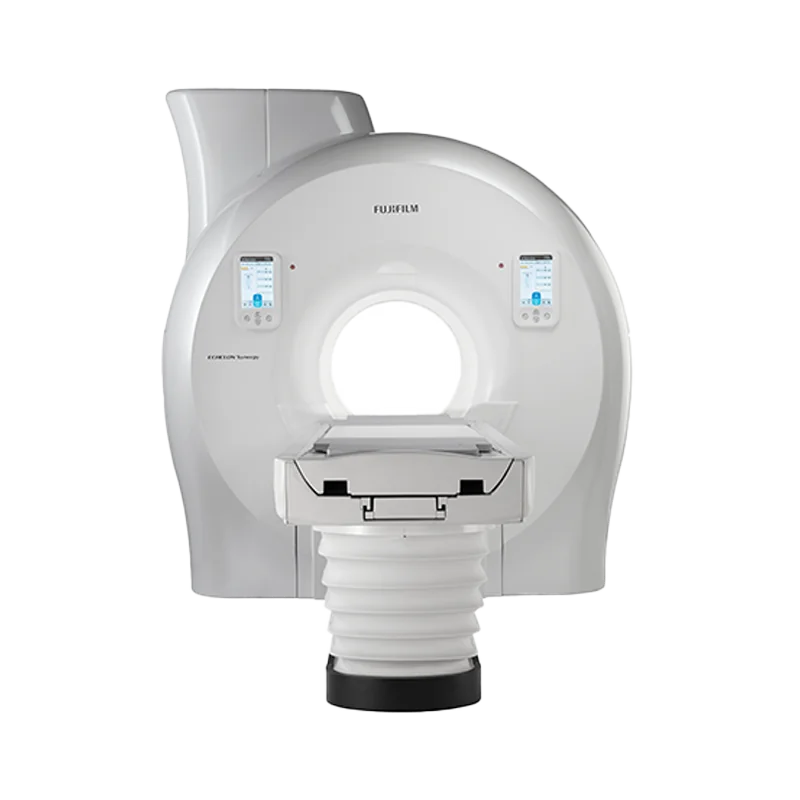
Experience the latest in imaging technology with our state-of-the-art MRI scanners, designed for precision and reliability.
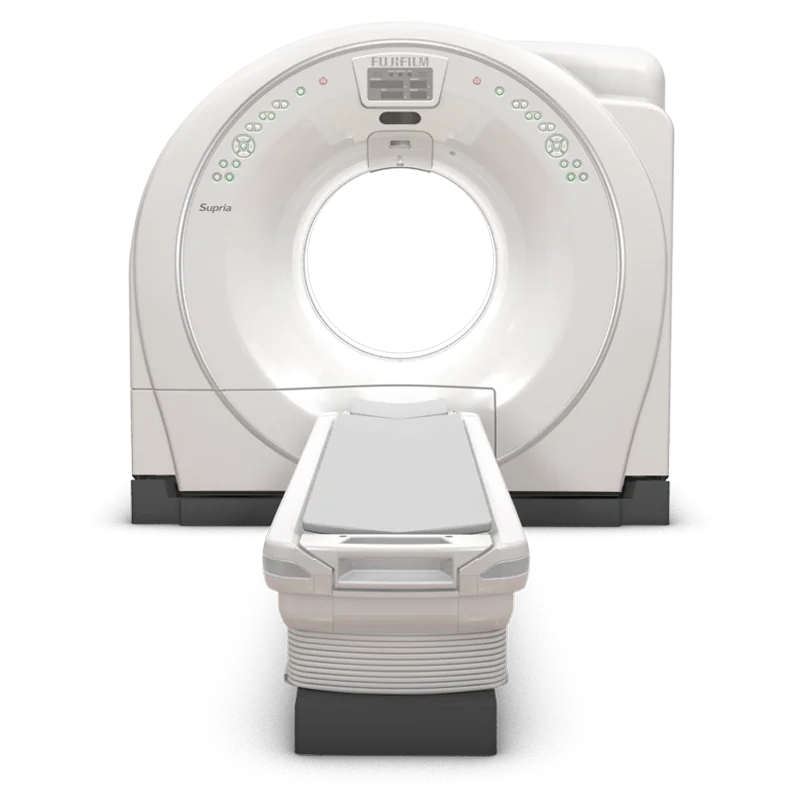
Discover state-of-the-art CT scanners designed for precision, reliability, and advanced imaging performance.
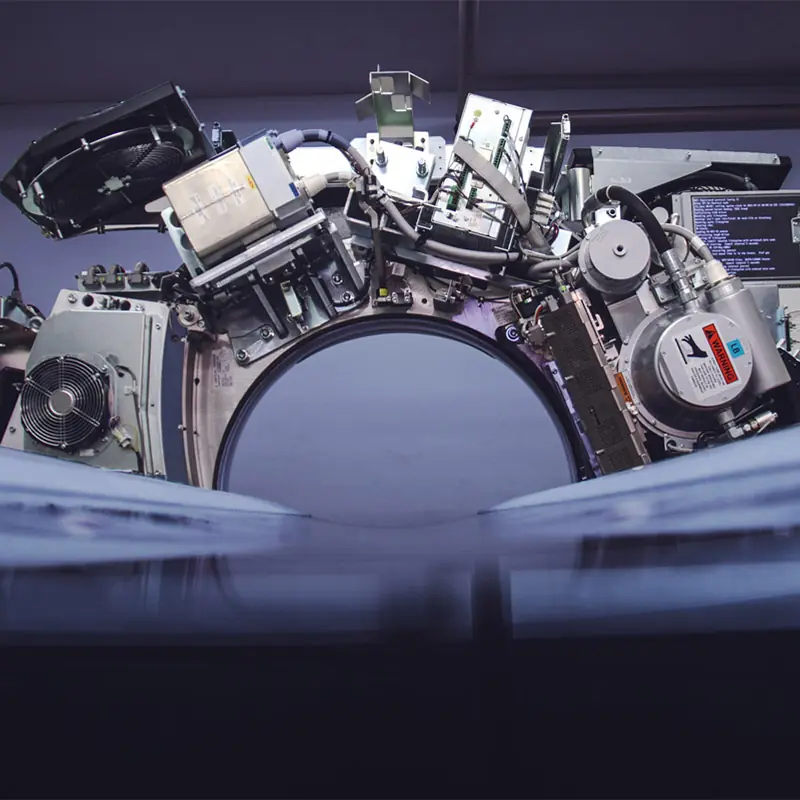
Get like-new performance at lower cost of ownership with our fully reconditioned CT and MRI scanners, backed by expert care and support.
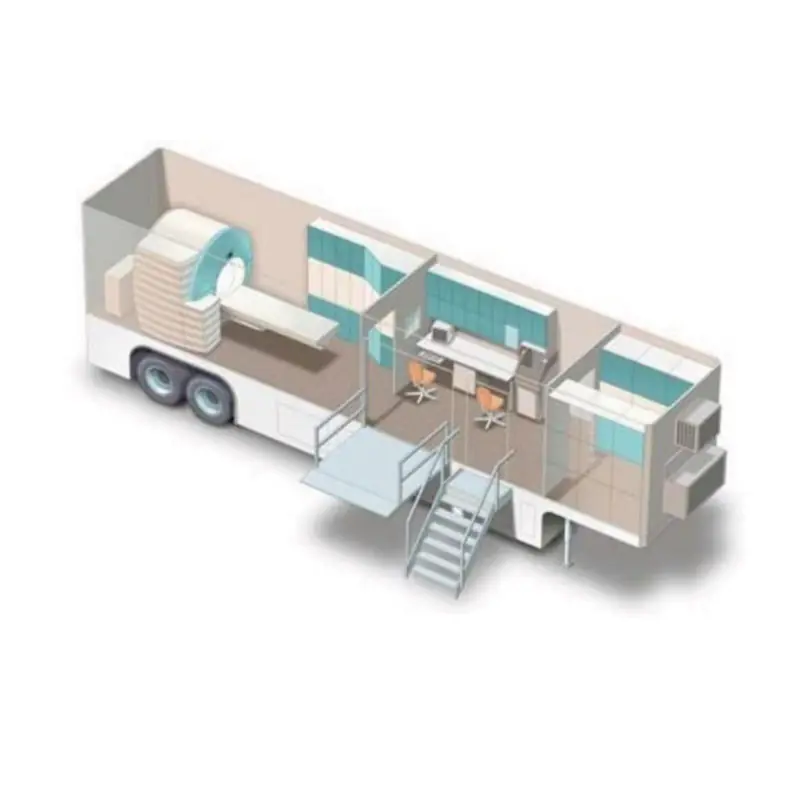
BMI offers four distinct options for mobile MRI, CT, and mammography trailers, each designed to meet diverse medical imaging needs and enhance patient care.
Here is how Carol Hill from Morrison Community Hospital goes about choosing her equipment
*GE and Siemens are trademarks and/or registered trademarks of their respective owners. All other trademarks are the property of their respective owners.